


.webp)

Venice in March: what to see and do
Plan your trip to Venice in March: key sights, walks from Dorsoduro and an elegant stay at Il Palazzo Experimental. Book your Venetian escape today.
Visiting Venice in March means softer light, quieter alleys and a city that slowly wakes up after winter. With a well-located base such as Il Palazzo Experimental in Dorsoduro, you can walk to the main landmarks, enjoy museums without the summer crowds and experience local life between canalside strolls and long meals.
Why visit Venice in March?
March is a shoulder-season month in Venice, between winter and the busy spring and summer months. You usually find fewer visitors than in high season, shorter queues for major sites and more space on the vaporetto. Days get longer, giving you time to combine sightseeing, slow walks and unhurried breaks in cafés or on sunny terraces.
This period is also ideal for photography, with changing skies and a city that can shift from misty mornings to golden sunsets in just a few hours. Because the atmosphere is more relaxed, it is easier to explore on foot and to wander off the main routes, especially if you stay in a central yet peaceful neighbourhood.
Staying in Dorsoduro: the perfect base
Dorsoduro stretches along the Giudecca Canal on the southern side of Venice. It is known as a lively yet bohemian district, with a more local feel than the areas around Saint Mark’s Square. From here you can walk to the main attractions, while still enjoying quieter streets and small squares away from the busiest thoroughfares.
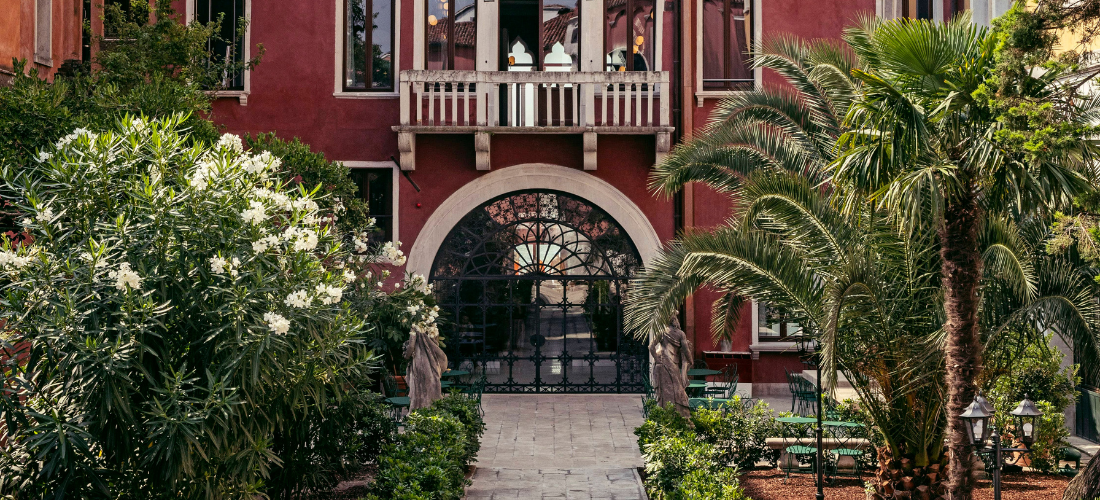
Facing the Giudecca Canal, Il Palazzo Experimental occupies a historic Venetian palazzo with three separate entrances: one for the hotel, one for the restaurant and one for the cocktail bar. A secret garden at the back opens onto a tranquil canal and a private pontoon, offering an unexpected oasis in the heart of the city. Inside, 32 rooms and suites are filled with natural light and overlook either the canal or the garden, with interiors designed by Dorothée Meilichzon and inspired by Venetian terrazzo floors and marble details.
Dining is an integral part of the experience. Ristorante Adriatica serves seasonal Italian cuisine with a focus on local produce, while the Experimental Cocktail Club bar offers creative signature drinks made with regional ingredients, in a cosy lounge that has quickly become one of the city’s favourite addresses among cocktail lovers.
Must-see sights in March
From Il Palazzo Experimental, a leisurely walk along the Zattere waterfront takes you towards the Salute church and the Grand Canal, from where you can reach Saint Mark’s Square. The basilica, the bell tower and the Doge’s Palace form a spectacular ensemble that is best visited early in the morning or later in the afternoon to avoid the busiest times.
The Rialto Bridge and its market are another essential stop. In March, the fish and produce stalls are lively but not overcrowded, and you can take your time exploring the area. A vaporetto ride along the Grand Canal lets you admire the façades of noble palazzi and grasp how much the city is meant to be seen from the water.
Back in Dorsoduro, you are only a short walk away from the Accademia Gallery and the Peggy Guggenheim Collection, two major museums that are perfect for a cooler or rainy day. Together, they offer a broad overview of Italian and European art, from early paintings to modern and contemporary works.
Sample itineraries from Il Palazzo Experimental
For a short break, you can dedicate your first day to the historic heart of Venice. Start from the hotel, cross the Accademia Bridge towards Saint Mark’s Square, visit the basilica and the Doge’s Palace, and then continue to the Rialto area before walking back along quieter backstreets.
On your second day, focus on Dorsoduro itself. Spend the morning at the Accademia Gallery, then explore the Peggy Guggenheim Collection, before wandering through the neighbourhood’s canals and campos. Pause on the Zattere to watch the boats on the Giudecca Canal and end the day with an aperitif in Il Palazzo Experimental’s garden followed by dinner at Adriatica.
If you have a third day or more, consider a boat trip to the lagoon islands of Murano or Burano. Back in Venice, you can round off your evenings at the Experimental Cocktail Club bar, sampling inventive creations that reinterpret local flavours and extend your discovery of the city well into the night.
Practical tips for visiting Venice in March
Weather in March can be variable, so it is wise to pack layers, a warm jumper, a light but waterproof coat and comfortable closed shoes. Some days will feel almost spring-like, while others remain cool and damp.
To move around, combine walking with vaporetto rides. Dorsoduro is well connected to other districts, and you can easily reach the railway station or the airport boat services. If you prefer a seamless arrival, Il Palazzo Experimental’s team can help you arrange a private boat transfer, which is particularly pleasant if you land on a chilly day and want to reach your hotel quickly.
Key Facts
- Best time frame: March, a shoulder-season month with generally fewer visitors than in summer.
- Suggested district: Dorsoduro, along the Giudecca Canal, within walking distance of major landmarks.
- Recommended hotel: Il Palazzo Experimental, a 4-star boutique hotel with 32 rooms and suites.
- Highlights: canal or garden views, secret garden with private pontoon, interiors by Dorothée Meilichzon.
- On-site dining: Ristorante Adriatica with seasonal Italian cuisine; Experimental Cocktail Club bar.
- Ideal stay length: three to four nights to explore the historic centre, Dorsoduro and one lagoon excursion.
FAQ
Is March a good month to visit Venice for the first time?
Yes, March is a very pleasant time for a first visit. You can enjoy shorter queues at major monuments, more availability in hotels and a generally calmer atmosphere than in peak season, while still benefiting from longer daylight hours.
What is the weather like in Venice in March?
The weather is changeable, with a mix of cool, damp days and milder, brighter ones. It is best to pack layers, including a warm sweater, a waterproof jacket and closed, comfortable shoes suitable for walking on cobblestones and bridges.
How many days do I need in Venice in March?
Three to four nights are ideal to discover Saint Mark’s Square, the Rialto area, a couple of key museums and a neighbourhood like Dorsoduro without rushing. Adding an extra night gives you time for a relaxed trip to one of the lagoon islands.
Where should I stay in Venice in March to visit on foot?
Choosing a central yet quiet neighbourhood such as Dorsoduro is a smart option. A hotel like Il Palazzo Experimental, overlooking the Giudecca Canal and within walking distance of Saint Mark’s Square and major museums, allows you to explore most of the city on foot.
What can I do in Venice in March if it rains?
Rainy days are perfect for museum visits, from the Accademia Gallery and the Peggy Guggenheim Collection to the Doge’s Palace and lesser-known churches. You can then retreat to a cosy lounge or cocktail bar, such as the one at Il Palazzo Experimental, to watch the canal life from indoors.

